If you have been struggling with stubborn weight despite eating well and staying active, you are not alone. For many people managing chronic inflammatory or autoimmune conditions, weight management feels like pushing a boulder uphill. The frustrating truth is that the problem often runs deeper than calories. It starts at the cellular level. That is where the conversation about NAD+ and weight loss becomes genuinely interesting — and genuinely useful.
What Is NAD+ and Why Does It Matter for Your Metabolism?

NAD+ stands for nicotinamide adenine dinucleotide. That is a mouthful, so here is the simple version: it is a molecule your cells cannot function without. Every cell in your body uses NAD+ to convert food into usable energy. It also activates proteins called sirtuins, which help regulate metabolism, inflammation, and how your body stores fat.
The problem is that NAD+ levels decline naturally with age. Chronic illness, inflammation, and oxidative stress speed that decline further. As a result, your metabolism slows. Your cells become less efficient at burning fuel. And your body starts prioritising survival over vitality.
This is not a willpower issue. It is a biochemistry issue.
The Mitochondria Connection: Where Energy (and Fat Burning) Actually Happens
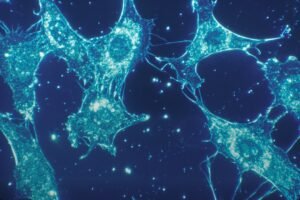
Mitochondria are your cells’ energy factories. They take in nutrients and produce ATP, the fuel that powers everything from your heartbeat to your ability to exercise. For mitochondria to work well, they need NAD+. Without enough of it, they become sluggish and inefficient.
When mitochondrial function declines, you feel it. You feel fatigued despite resting. You gain weight more easily, especially around the abdomen. You struggle to recover from exercise. Because mitochondrial health sits at the centre of metabolic function, supporting NAD+ levels is one of the more evidence-backed ways to support the cellular machinery behind weight regulation.
For patients with autoimmune or inflammatory conditions, this matters even more. Chronic inflammation actively depletes NAD+, which creates a cycle that is difficult to break without addressing the root cause. You can read more about how these cellular pathways interact in our article on sirtuins, mTOR, AMPK and their role in longevity.
NAD+ and Weight Loss: What the Science Actually Supports

Research into NAD+ and weight loss is still evolving, and we want to be honest about that. However, the existing science is genuinely encouraging. Animal studies have shown that boosting NAD+ levels improves insulin sensitivity and reduces fat accumulation. Human studies are more limited but point in a similar direction, particularly for metabolic function, energy output, and cellular repair.
NAD+ works partly by activating AMPK, a cellular sensor that encourages fat burning and discourages fat storage. It also supports SIRT1, a protein that helps regulate glucose metabolism and mitochondrial biogenesis — which means it may help your body grow more efficient mitochondria over time.
We are not suggesting NAD+ is a substitute for a healthy diet or medical treatment. However, as an adjunctive support for metabolic health, particularly in individuals dealing with fatigue, inflammation, or accelerated biological ageing, the evidence is meaningful. Our detailed guide on DNA methylation, NAD+, and cellular ageing explores these mechanisms in more depth if you want to go further.
How NAD+ Infusions Are Used as Part of a Clinical Protocol
Oral NAD+ supplements exist, but absorption through the gut is inconsistent. Intravenous NAD+ delivery bypasses that problem entirely. It delivers the molecule directly into the bloodstream, where cells can access it quickly and efficiently.
At Cell Quest, we use NAD+ infusions as part of a broader, doctor-led protocol tailored to each patient. Our approach is guided by an immunologist’s understanding of how metabolism, inflammation, and cellular health intersect. We do not offer NAD+ as a standalone weight-loss treatment. Instead, we use it to help support cellular resilience, improve energy metabolism, and address the underlying depletion that many of our patients present with.
For patients with chronic inflammatory or autoimmune conditions, this kind of targeted support can complement existing medical management meaningfully. For those focused on healthspan and longevity, it forms part of a proactive cellular health strategy. You can also explore how NAD+ infusions support energy and cellular health in more detail on our site.
That said, NAD+ therapy is not right for everyone. If you are pregnant, have certain kidney conditions, or are on specific medications, it may not be appropriate. That is exactly why a proper clinical assessment comes first — always.
Taking the Next Step
Weight that does not respond to conventional effort is exhausting, especially when you are already managing a complex health condition. Understanding the cellular reasons behind that struggle is not just interesting — it is the starting point for doing something about it.
At Cell Quest, we believe in honest, evidence-informed care. We take the time to understand your full picture before recommending anything. If you are curious about whether NAD+ support might be appropriate for your situation, we would genuinely love to talk.
Reach out to our team today to schedule a consultation. We are here to help you understand your options — clearly, carefully, and without the hype.