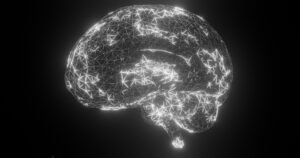
Many people assume that slowing cognition is simply part of getting older. But the relationship between NAD+ and brain health tells a more nuanced — and genuinely encouraging — story. NAD+ (nicotinamide adenine dinucleotide) is a coenzyme found in every living cell. It plays a central role in energy production and DNA repair. As we age, NAD+ levels decline significantly. For people managing chronic inflammatory or autoimmune conditions, that decline can accelerate. The result, for many patients, is not just physical fatigue — it shows up as brain fog, reduced mental stamina, and that frustrating sense that your mind just isn’t as sharp as it used to be.
Why Your Brain Is So Vulnerable to NAD+ Decline

The brain is one of the most energy-hungry organs in your body. It consumes roughly 20% of your total energy, despite making up only about 2% of your body weight. Because of this, neurons are especially sensitive to drops in NAD+ availability.
NAD+ is essential for mitochondrial function — the process by which your cells generate usable energy (ATP). When NAD+ levels fall, mitochondria become less efficient. As a result, neurons have less fuel to do their work. This matters enormously for memory, focus, and emotional regulation.
NAD+ also activates a family of proteins called sirtuins, which help regulate cellular stress responses and suppress neuroinflammation. For patients with autoimmune or chronic inflammatory conditions, neuroinflammation is not a theoretical concern — it is often a lived daily reality. Supporting sirtuin activity through NAD+ replenishment may help the brain manage that inflammatory load more effectively. You can read more about how sirtuins and related pathways influence longevity in our article on the secret longevity pathways: sirtuins, mTOR, AMPK, and stem cells.
NAD+ and Brain Health: The Neuroprotection Connection
Neuroprotection is exactly what it sounds like — protecting neurons from damage and supporting their ability to repair and regenerate. NAD+ contributes to this in several ways.
First, it fuels a DNA repair enzyme called PARP-1. DNA damage in neurons accumulates constantly, from oxidative stress, inflammation, and environmental exposure. Without adequate NAD+, PARP-1 cannot do its job properly. Over time, this creates a backlog of cellular damage that contributes to cognitive decline.
Second, NAD+ supports the brain’s ability to maintain healthy synaptic connections — the communication links between neurons. Research suggests that NAD+ deficiency is associated with reduced synaptic plasticity, which is the mechanism behind learning and memory formation.
Third, and perhaps most relevant for our patients managing systemic inflammation, NAD+ helps regulate microglial activity. Microglia are the brain’s resident immune cells. When they become overactivated — which happens frequently in autoimmune and inflammatory conditions — they contribute to neuroinflammatory damage. NAD+ helps keep that immune response appropriately calibrated rather than chronically switched on.
This is not a small thing. It is one reason why many patients report cognitive improvements when NAD+ levels are therapeutically supported.
How NAD+ Is Replenished — and Why Delivery Method Matters

You can support NAD+ levels through several routes. Oral supplements using precursors like NMN (nicotinamide mononucleotide) or NR (nicotinamide riboside) are widely available and have good safety profiles. However, oral absorption varies considerably between individuals, and bioavailability is not always reliable.
Intravenous NAD+ infusion delivers the coenzyme directly into the bloodstream, bypassing the digestive tract. This allows for faster and more complete cellular uptake. For patients with compromised gut health — common in autoimmune conditions — IV delivery can make a meaningful practical difference. Our clinical team has written more about how NAD+ infusions support energy and cellular health if you want to understand what that process actually involves.
Diet and lifestyle also contribute. Caloric restriction, fasting protocols, and regular aerobic exercise all stimulate the body’s natural NAD+ production pathways. These are worth taking seriously, not as an alternative to clinical support, but as a complement to it.
It is also worth being honest here: NAD+ replenishment is not appropriate for everyone. Patients with certain active cancers, kidney dysfunction, or specific metabolic conditions should discuss NAD+ therapy carefully with their physician before proceeding. At Cell Quest, we do not apply a one-size-fits-all approach. Every patient is assessed individually by our immunologist-led clinical team before any protocol is recommended.
What Patients with Chronic Conditions Should Realistically Expect
If you are managing a chronic inflammatory or autoimmune condition, your cognitive symptoms are probably not being taken as seriously as your physical ones. Many patients tell us this directly. The fatigue, the word-searching, the mental cloudiness — these are real, and they have real biological explanations.
NAD+ therapy will not eliminate the underlying condition. However, as an adjunctive approach, it may help support neurological resilience, reduce the energy deficit that drives brain fog, and promote better cellular repair over time. These are meaningful quality-of-life improvements. They do not require exaggeration.
Patients who are also exploring broader cellular health strategies may find it useful to understand how DNA methylation, NAD+, and stem cell therapy work together in anti-aging protocols. These approaches are not mutually exclusive. For many of our international patients, combining them thoughtfully is exactly the point.
At Cell Quest, we believe that cognitive health deserves the same clinical rigor as any other aspect of your wellbeing. If you are curious about whether NAD+ support is appropriate for your situation, we welcome you to reach out for a consultation. Our team will give you a straight, evidence-based answer — no upselling, no pressure, no vague promises. Just an honest conversation about what the science supports and what your body may genuinely need.