Neuropathy is one of the most challenging conditions in modern medicine. From the burning pain of diabetic neuropathy to the numbness caused by chemotherapy or injury, damaged nerves rarely heal on their own. Traditional treatments often focus on symptom relief rather than repair. This raises the critical question: can stem cells truly restore lost nerve function? The answer lies in understanding how they work and why customized protocols matter.
How Stem Cells Influence Nerve Repair
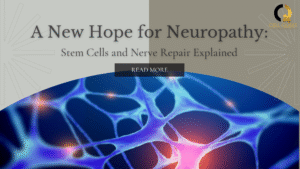
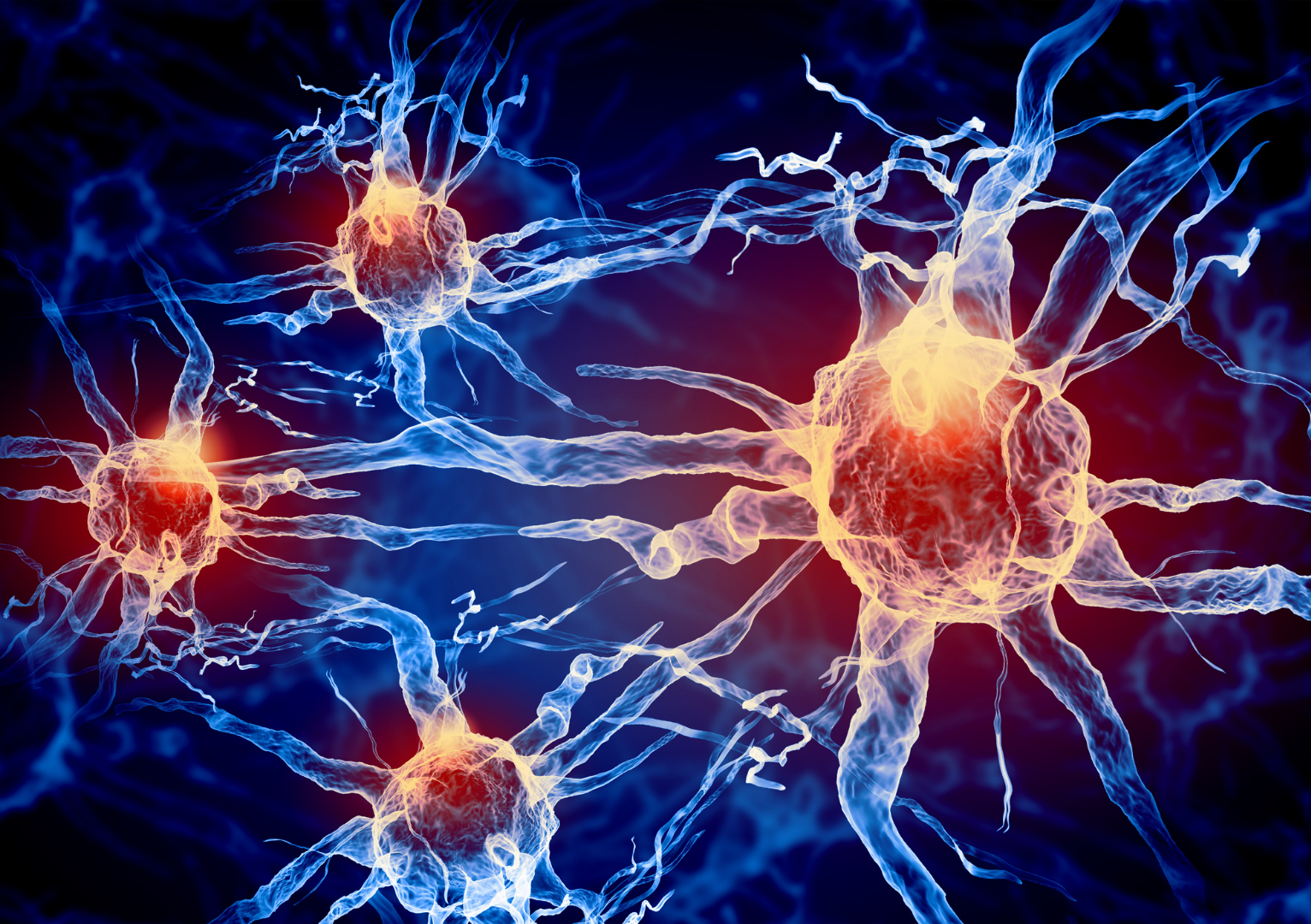
Stem cells are not a direct replacement for lost nerves. Instead, they act as a biological support system. They release signaling molecules that encourage damaged axons to reconnect, stimulate Schwann cells that rebuild protective coverings around nerves, and promote angiogenesis, which improves blood flow to starving nerve tissues. These combined actions create an environment where natural repair becomes possible.
Why Nerve Regeneration is So Difficult
Nerves regenerate slowly compared to other tissues. Even when axons sprout, they must reconnect with precision for function to return. Chronic inflammation, poor circulation, or metabolic stress often block this process. For example, in diabetes, high blood sugar continues to damage nerves faster than they can repair. This is why simply injecting stem cells rarely delivers lasting results.

The Role of Customized Protocols
Stem cell therapy only succeeds when combined with the right supportive measures. Clinics use tailored protocols that may include exosomes, NAD+ boosters, and metabolic optimization to reduce inflammation and enhance cellular energy. This approach allows stem cells to sustain repair signals long enough for nerves to regrow and reconnect.
This is where customization becomes critical. A patient with autoimmune neuropathy may require immune modulation, while someone with diabetic neuropathy may need blood sugar optimization alongside cell therapy. Without these adjustments, outcomes are inconsistent.
Potential Benefits and Limitations
Patients receiving customized stem cell protocols for neuropathy have reported improvements in sensation, reduced pain, and better quality of life. However, nerve regeneration is slow and results vary. It is important to recognize that stem cells do not provide an instant cure. Instead, they create conditions that make gradual nerve recovery possible, often requiring months of follow-up.

Conclusion
Stem cell therapy offers genuine potential for restoring nerve function in neuropathy, but success depends on much more than the cells themselves. Customized protocols that address inflammation, circulation, and metabolism are essential for lasting results. By combining advanced therapies with targeted strategies, patients may finally experience progress where conventional medicine has reached its limits. At Cell Quest Malaysia, our focus is on creating safe and effective personalized protocols that give patients the best chance at meaningful nerve recovery and improved quality of life.
For more information or to book your FREE consultation, you can contact Cell Quest® via WhatsApp at +6010-838-9254.