Diabetes remains one of the most challenging chronic diseases to manage, affecting millions worldwide. Traditional treatments focus on controlling blood sugar levels through medication and lifestyle changes, but they do not address the root cause. Stem cell therapy has emerged as an innovative approach that goes deeper by repairing damaged tissues, restoring insulin production, and potentially reducing long-term complications. This makes stem cells one of the most critical developments in the fight against diabetes.
Regenerating Insulin-Producing Cells
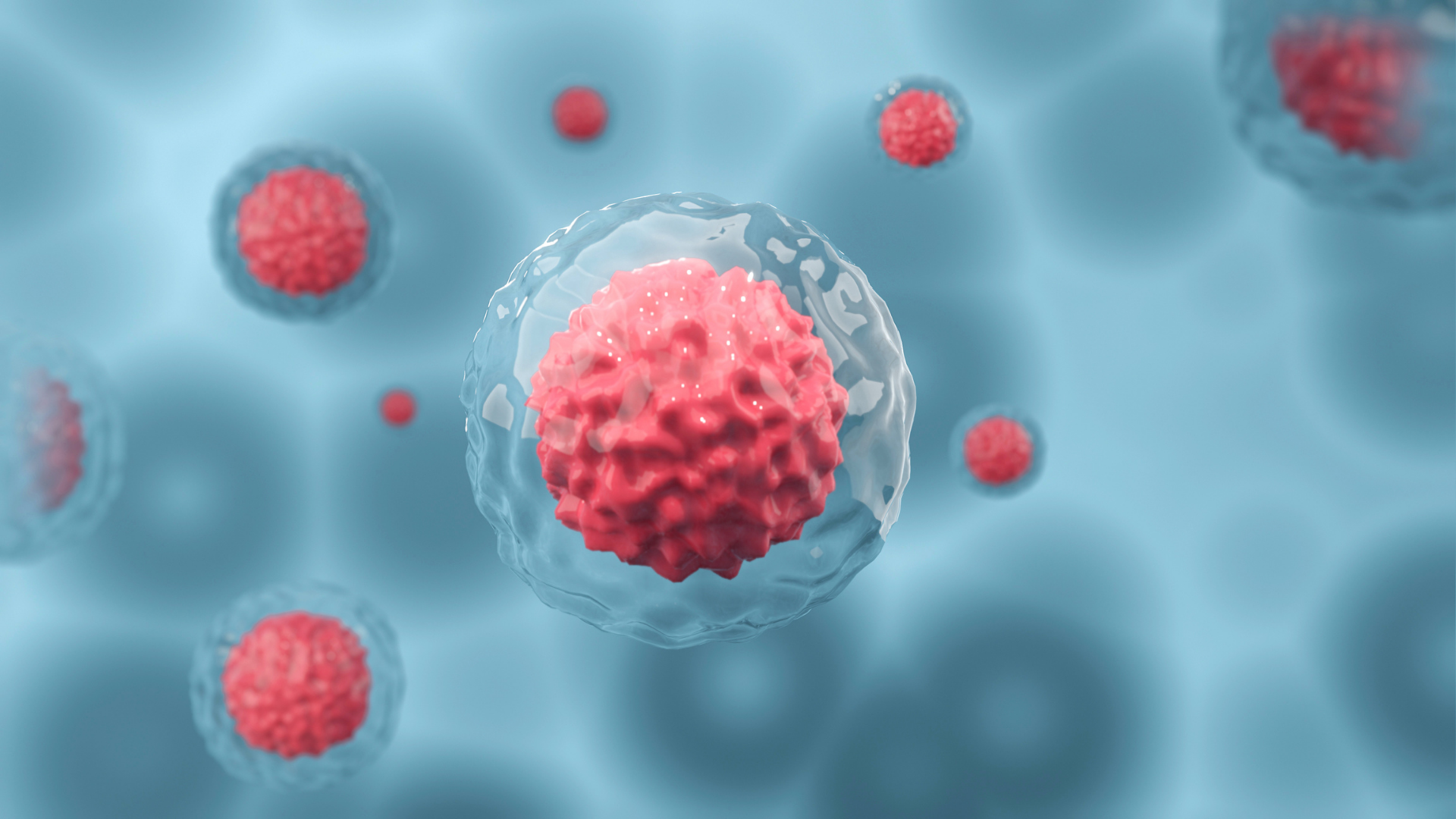
One of the greatest promises of stem cell therapy is its ability to restore insulin-producing beta cells in the pancreas. In diabetes, these cells are either destroyed by the immune system or become dysfunctional. By guiding stem cells to transform into new beta cells, researchers hope to re-establish natural insulin production. This approach could reduce or even replace the need for insulin injections in the future.
Calming the Immune System
In Type 1 diabetes, the immune system mistakenly attacks healthy pancreatic cells. Stem cells can help by regulating the immune response and reducing inflammation. This protective effect shields remaining beta cells from further destruction and slows down the progression of the disease. More importantly, it opens the possibility of preserving pancreatic function earlier in diagnosis rather than only treating the consequences later.
Revolutionizing Diabetes Management: Stem Cell Therapy Offers New Hope
Enhancing Insulin Sensitivity
Type 2 diabetes is primarily driven by insulin resistance, where the body struggles to respond to the insulin it already produces. Stem cells release growth factors and signaling molecules that can improve how tissues like muscles and fat cells use glucose. This improves blood sugar control and complements conventional treatments. Adding stem cell therapy to standard care could therefore address both sides of the problem: insufficient insulin and poor sensitivity to insulin.
Repairing Complications of Diabetes
The complications of diabetes are often more damaging than the high blood sugar itself. Nerve damage, kidney disease, circulation problems, and vision loss are common outcomes. Stem cells can release repair signals that promote tissue healing and regeneration. Studies show potential in reversing diabetic neuropathy, improving blood vessel health, and protecting kidney function. These benefits highlight that stem cell therapy is not limited to blood sugar management but extends to the overall health of individuals living with diabetes.

Conclusion
Stem cell therapy is not a simple cure for diabetes, but it represents a significant step forward. By addressing the root causes of the disease, improving insulin sensitivity, and repairing long-term damage, stem cells offer hope that goes beyond managing symptoms. While more research is needed to bring these therapies into everyday clinical practice, the evidence so far points to a future where diabetes care is not only about control but also about true regeneration. At Cell Quest Malaysia, our focus is on bringing these advanced therapies closer to patients, offering safe and effective protocols that harness the power of stem cells for better health and longevity.
For more information or to book your FREE consultation, you can contact Cell Quest® via WhatsApp at +6010-838-9254.