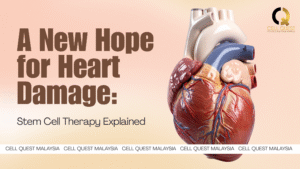
Coronary artery disease remains one of the leading causes of death worldwide. When arteries narrow and oxygen delivery to the heart is restricted, the result is permanent damage to cardiac muscle. Unlike skin or liver tissue, the heart has little capacity to regenerate on its own. This has pushed research into advanced regenerative solutions, and stem cell therapy is emerging as one of the most promising candidates. The key questions are whether stem cells can truly repair heart damage and how such treatments can be applied with safety and precision.
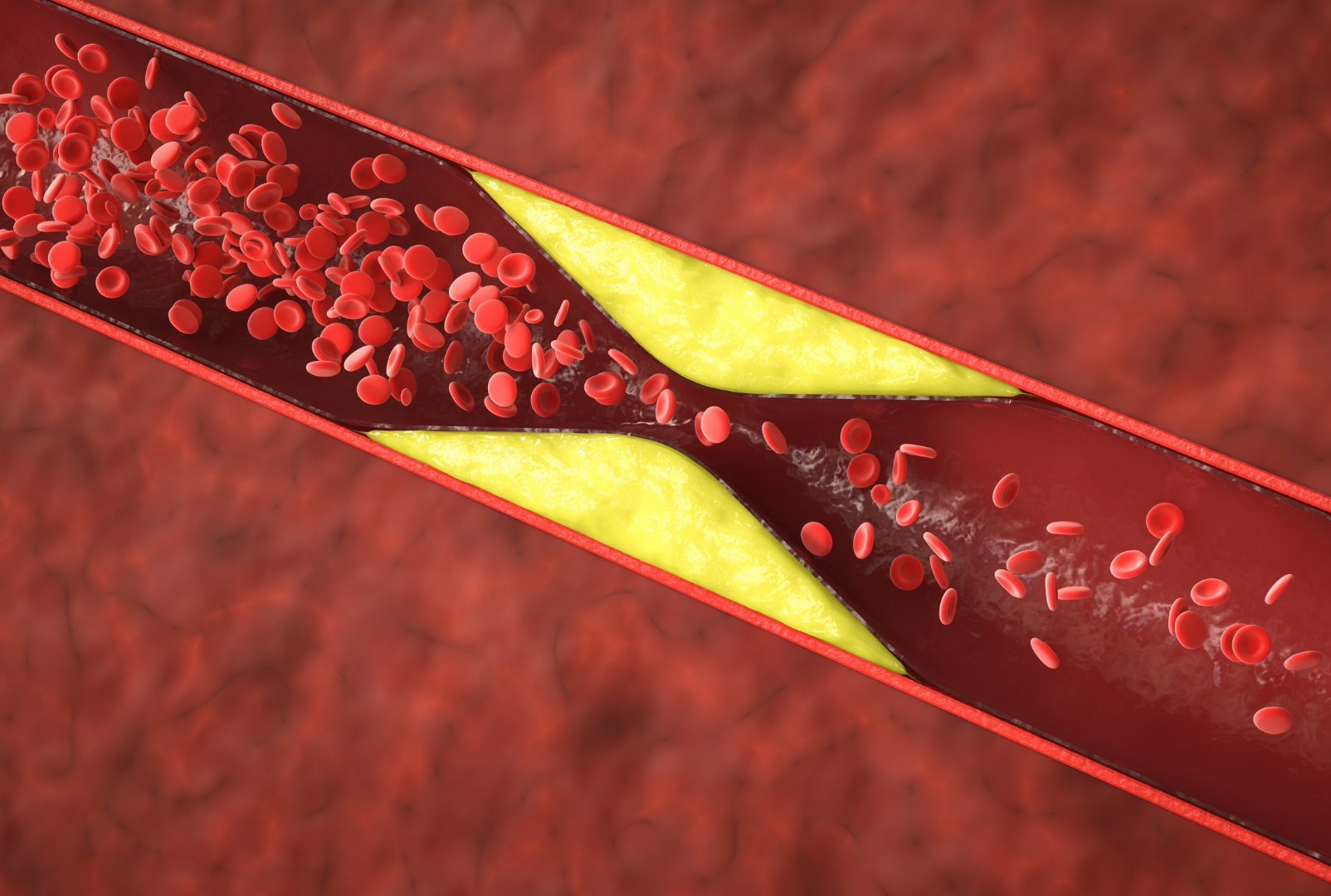
How Coronary Artery Disease Damages the Heart
When plaque builds inside coronary arteries, the heart muscle is starved of oxygen. Over time, cardiomyocytes begin to die, leaving scar tissue in their place. This scarring reduces the heart’s ability to contract, leading to heart failure in many patients. Current treatments such as stents and bypass surgery restore blood flow but cannot reverse the damage already done to the muscle. This is where stem cells bring a unique advantage.
The Role of Stem Cells in Repairing the Heart
Stem cells, particularly mesenchymal stem cells, release powerful growth factors that stimulate repair. These signals encourage the growth of new blood vessels, improve circulation, and limit further scarring. Some studies also show that stem cells can influence existing cells in the heart to function better and may even contribute to forming new heart-like cells. The result is not just structural repair but functional improvement, with patients demonstrating better pumping capacity and greater exercise tolerance.
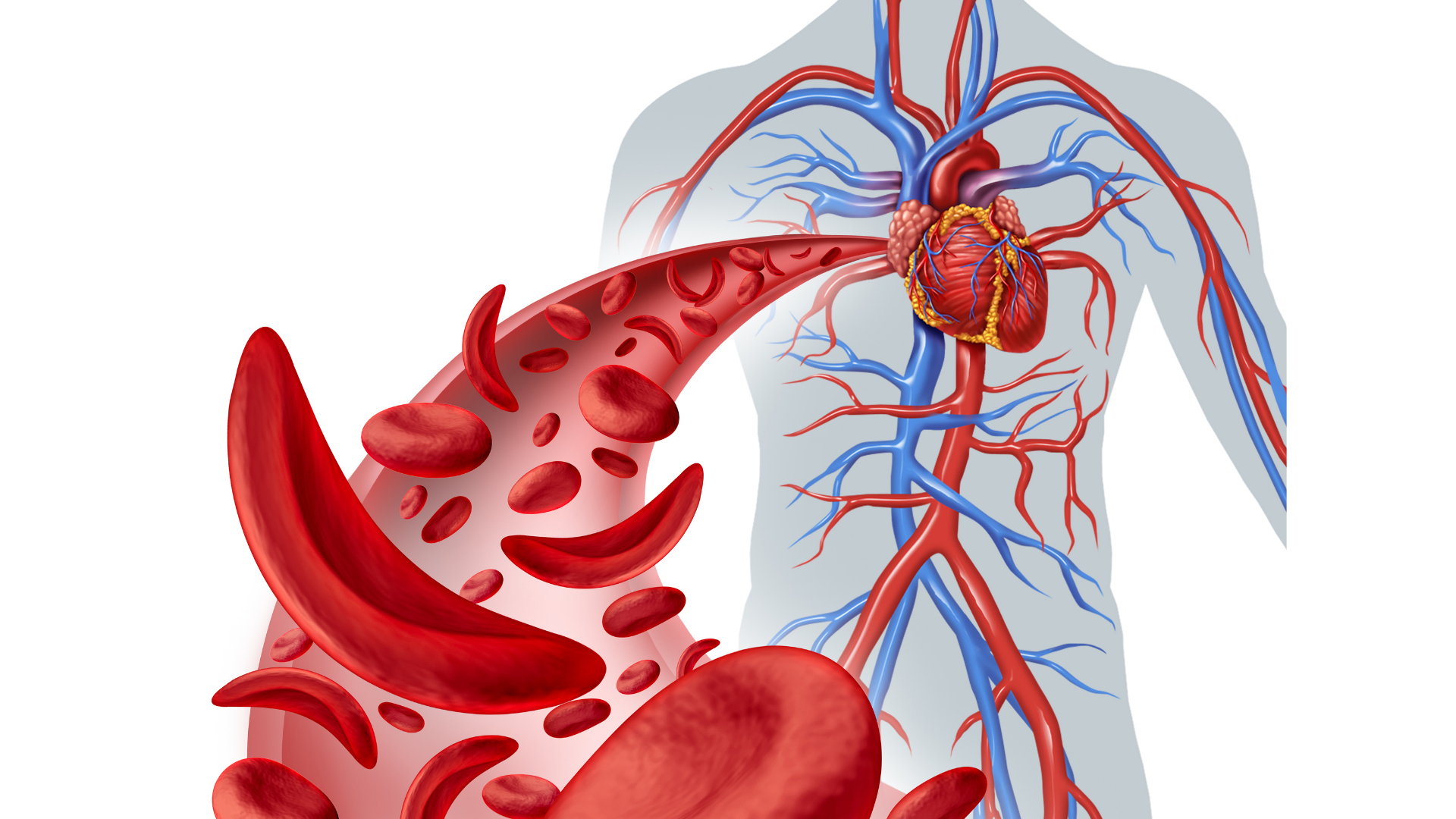
Delivering Stem Cells to the Heart
Safe application depends on how cells are introduced. Intravenous infusion is the least invasive option, although fewer cells reach the heart. Catheter-based delivery into the coronary arteries allows more targeted repair. For advanced cases, direct injection into damaged muscle during surgery provides precise placement. Each method carries unique risks and benefits, and patient suitability must be carefully assessed before treatment.
Ensuring Patient Safety
Safety is a cornerstone of stem cell therapy. All cells must be processed under strict laboratory standards to ensure purity and viability. Dosing is carefully measured, and patients are monitored during and after procedures for immune responses, arrhythmias, or clotting issues. Imaging follow-up such as echocardiograms and MRIs provides measurable evidence of recovery. Clinical trials demonstrate that when performed under proper protocols, stem cell therapy can improve heart function with an acceptable safety profile.
Conclusion
Stem cell therapy represents a new era in cardiovascular medicine, moving beyond symptom management to actual tissue repair. While not yet a universal standard, results from clinical studies are promising, showing reduced scar tissue, improved circulation, and better quality of life for patients with coronary artery disease. When conducted under strict protocols, this therapy offers a safe and potentially transformative option for individuals facing the long-term consequences of heart damage. At Cell Quest Malaysia, our focus is on delivering stem cell treatments through protocols that prioritize both safety and effectiveness, helping patients explore regenerative solutions with confidence.
For more information or to book your FREE consultation, you can contact Cell Quest® via WhatsApp at +6010-838-9254.